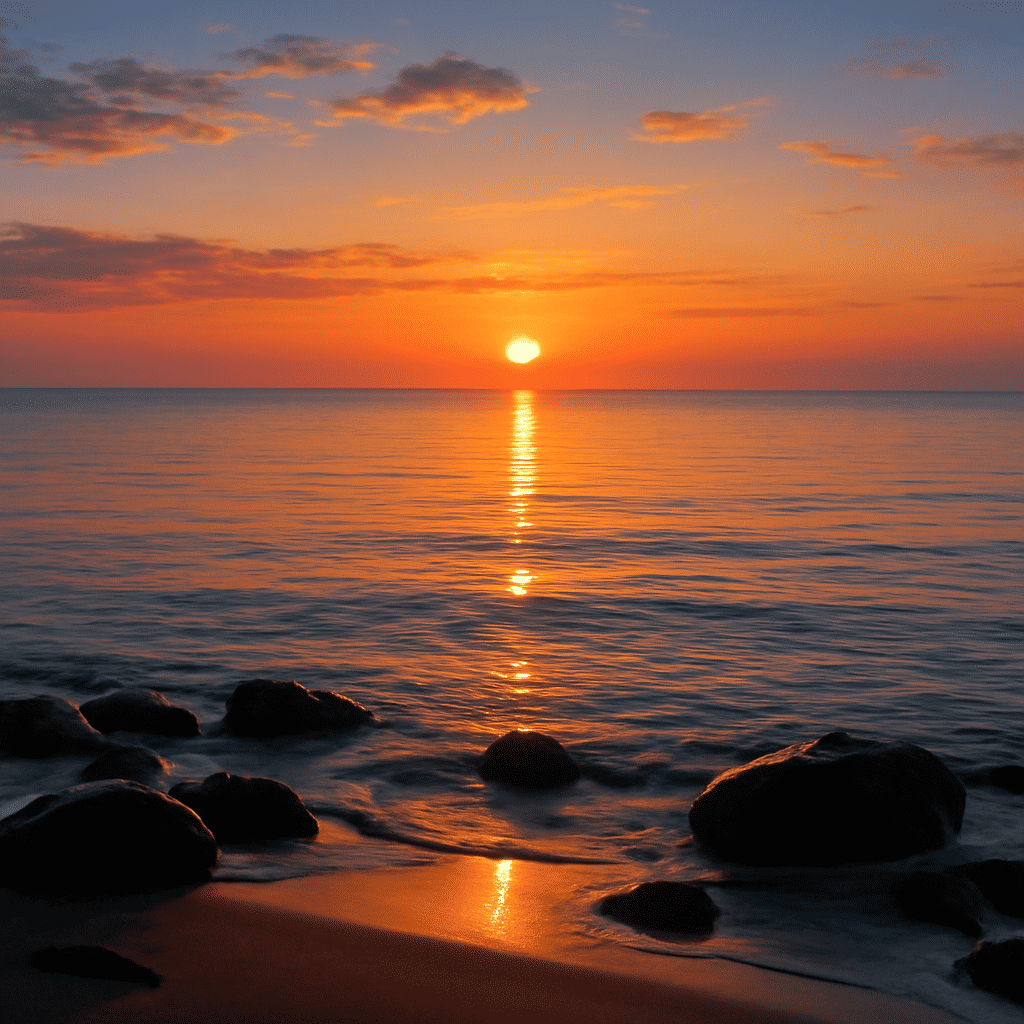
Capturing beautiful moments in landscape photography is about more than just pointing a camera and clicking the shutter. It's an art that requires a keen eye, patience, and an understanding of both the natural environment and photographic techniques. Here are several strategies to turn ordinary landscape shots into extraordinary works of art.
1. Plan and Research: Understanding the location is crucial. Research the area you plan to photograph. Study maps, read guidebooks, and check online resources or apps for advice on the best viewpoints and light conditions. Knowing when and where the sun rises and sets can help you plan your shoot to capture the landscape in the best light.
2. The Golden Hours: The first hour after sunrise and the last hour before sunset, known as the golden hours, provide soft, diffused lighting that enhances colors and adds depth to a photo. This time is perfect for capturing a warm glow and long shadows, which can add texture and interest to your landscapes.
3. Composition Techniques: Composition is key in transforming landscape photos into art. Use techniques such as the rule of thirds, leading lines, and natural frames to guide the viewer’s eye and create balanced and harmonious images. Look for elements in the scene that can lead the eye through the photo and add layers to the composition.
4. Use a Tripod: A tripod is essential for landscape photography. It allows you to stabilize the camera for long exposures, which can be crucial in low-light conditions or when aiming to capture the motion of elements like clouds or water.
5. Depth of Field: To achieve sharp landscape photos with detailed foregrounds and backgrounds, use a small aperture (higher f-number). This increases the depth of field, ensuring that everything from the nearest element to the distant background is in focus.
6. Pay Attention to Weather: Weather conditions dramatically affect landscape photography. Overcast skies can soften images and highlight colors, while clear skies offer dramatic sunrises and sunsets. Embrace different weather conditions to diversify your portfolio and capture varying moods in your landscapes.
7. Embrace HDR: High Dynamic Range (HDR) photography involves taking multiple exposures and combining them to capture the full tonal range of the scene. This technique can help in situations with a high contrast between light and dark areas, ensuring details are not lost.
8. Post-Processing: Editing is an integral part of achieving a polished, artistic landscape photo. Use software like Adobe Lightroom or Photoshop to adjust exposure, contrast, colors, and sharpness. Be cautious not to over-process, as maintaining a natural look is important for authenticity.
9. Experiment with Different Perspectives: Don't be afraid to get creative with angles and perspectives. Lying on the ground or shooting from high above can offer unique viewpoints and make your photos stand out. Experimentation can lead to discovering new ways to see familiar landscapes.
10. Patience and Timing: The natural world doesn’t operate on a human schedule, and sometimes the perfect shot takes time. Be patient, observe, and be prepared to wait for the moment the light changes, a cloud moves into frame, or wildlife enters the scene.
By combining these techniques with your creative vision, you can capture the magic of landscapes and create photos that not only document the scene but also inspire and evoke emotion—turning your photography into art.