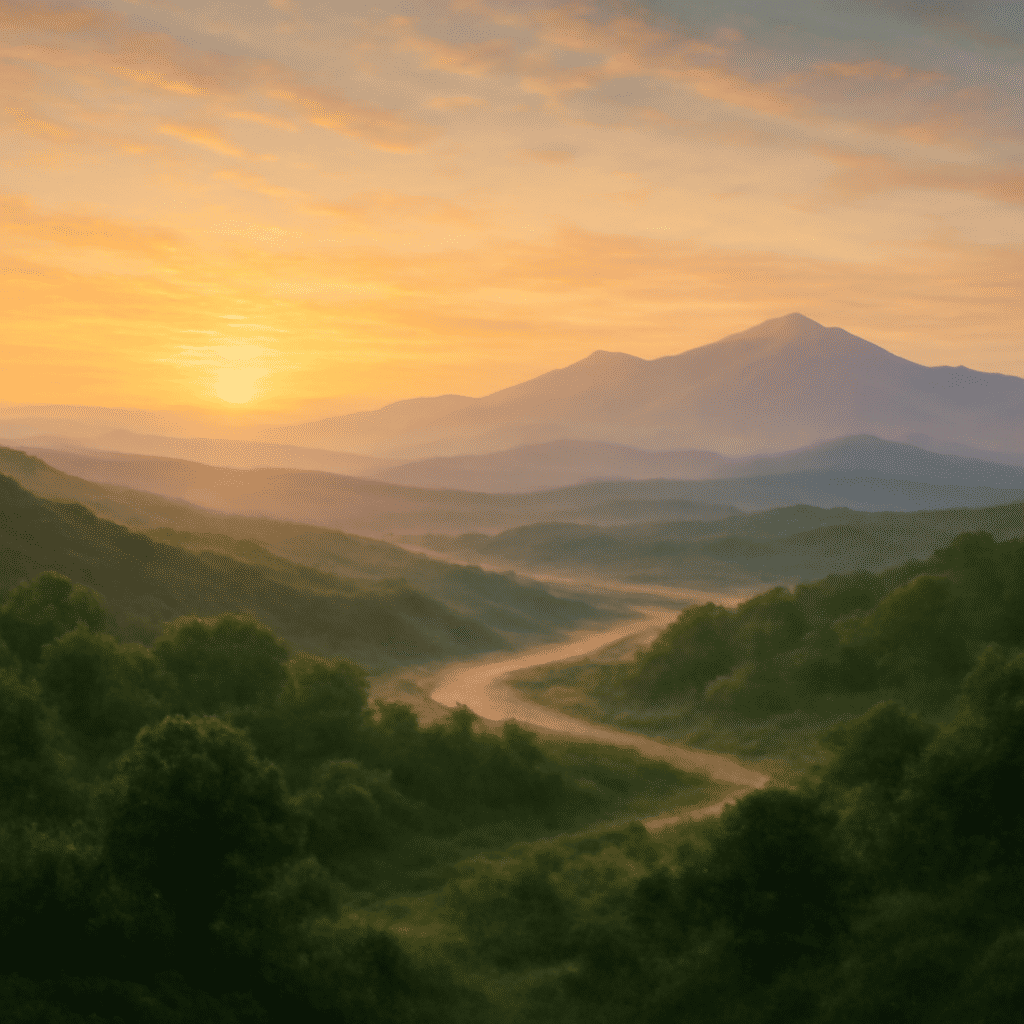
In a world dominated by steel structures and digital interfaces, it is easy to overlook the artistry that unfolds organically around us. Natural art is an expansive gallery that stretches across the canvas of our planet, showcasing a myriad of shapes, patterns, and colors crafted meticulously by nature itself. From the grandeur of towering mountains to the minute beauty of delicate leaf veins, nature presents an unparalleled exhibition that invites us not only to admire, but also to connect with its profound creativity.
The vivid palette of a blooming flower garden in spring exemplifies natural art's ability to awe and inspire. Each petal, intricately designed and uniquely hued, contributes to a collective tapestry that transforms landscapes into living paintings. The array of colors – from the soft pastels of budding cherry blossoms to the radiant yellows of sunflowers reaching towards the sky – offers a visual feast that stimulates the senses.
Beyond the allure of blossoms, natural art manifests in the quiet elegance of a forest's architecture. The stately columns of ancient trees create cathedral-like spaces, where dappled sunlight shifts with the time of day, casting ever-changing shadows on the forest floor. The branching patterns of trees exhibit fractal designs, reflecting nature's propensity for repeating themes that emerge in everything from river networks to capillary structures in living organisms.
Water, a fluid sculptor, engages in its own dance of artful expression. The rhythmic ebb and flow of ocean waves, shaping coastlines and crafting sea-sculpted rock formations, attest to its influence. Each wave tells a story, captured momentarily in its crest before dissolving back into the sea. Waterways also paint boundaries and contours on the earth's surface, carving canyons and valleys that stand as testaments to geological time.
Natural art is not limited to grand gestures. It finds expression in the meticulous patterns of a snowflake, each one a masterpiece of symmetrical design formed within fleeting seconds. Similarly, the enchanting iridescence of a butterfly's wing or a peacock’s plumage illustrates nature’s penchant for intricate detail, where microscopic structures interact with light to create shimmering effects that captivate and inspire.
The phenomenon of bioluminescence reveals yet another layer of natural art. Fireflies punctuate warm summer nights with their luminous signals, while certain marine creatures illuminate the depths of the ocean with an ethereal glow. This magical interplay of life and light demonstrates nature’s ability to surprise and enchant in the most unexpected ways.
As the seasons change, so does nature's artistic direction. Autumn unfolds a rich tapestry of warm colors as leaves put on a breathtaking show before their wintry descent. In winter, the landscape transforms yet again, blanketing the world in soothing whites and silvers. This cyclical artistry serves as a reminder of the planet's dynamic creativity, a perpetual performance that inspires both reflection and renewal.
In immersing ourselves in the endless beauty of natural art, we find not only aesthetic pleasure but also a deeper understanding of our place within the web of life. Nature's art is a celebration of diversity, complexity, and balance, inviting us to appreciate the interconnectedness of all living things. By taking a moment to truly see and feel the artistic manifestations around us, we reconnect with the essence of nature, fostering a sense of stewardship for the world that inspires and sustains us.
Through the lens of natural art, we are granted an invitation to an ever-evolving gallery that exists all around us. This engagement with nature's artistry, when met with mindfulness and respect, can deepen our appreciation for the planet’s gifts and fuel a commitment to preserve its beauty for generations to come.